
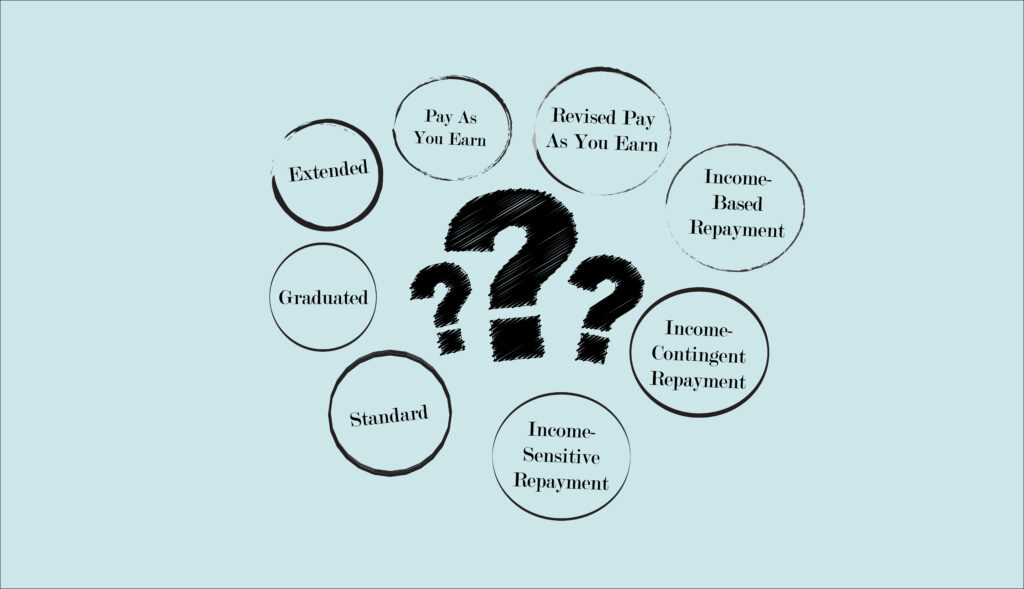
The student loan landscape has shifted dramatically over the past several months. It has become a confusing maze for anyone to navigate alone, and the financial impact is widespread.
Student loan changes can influence how borrowers manage basic living expenses, other types of debt, everyday money problems, and whether they can save for emergencies, participate in retirement benefits, and work toward other financial milestones.
In turn, all of these factors affect how employees with student loans (or whose partners or spouses have student loans) perceive their compensation and benefits package. If they don’t feel supported, it can lead to distraction and decreased engagement, lost productivity, and turnover.
What student loan changes should employers be most concerned with now?
These are just a few timely student loan-related concerns your employees may be dealing with right now.
Wage garnishment notices
On January 7, 2026, the Department of Education began sending wage garnishment notices to borrowers who haven’t made a payment in over 270 days. Employees have 30 days to take action that could prevent the garnishment after they receive the notice.
If they don’t, their employer could be legally obligated to withhold up to 15% of their paycheck for student loan debt.
On January 16, 2026, the Trump administration changed direction and said it would pause these notices – but it’s unclear how long that pause will last.
This creates a critical window of opportunity for borrowers whose loans are in default (or are headed in that direction) to make a payment and put them back in standing (at least for the next nine months). However, most borrowers will likely need expert guidance to understand their options and next best steps.
The end of the SAVE plan
Roughly 7 million low-income borrowers (many of whom are frontline employees) will soon face higher monthly student payments if/when an expected court settlement to dismantle the repayment plan known as SAVE is finalized. Timing is uncertain, but new plan selection may be required as early as mid-2026.
Borrowers must enroll in new repayment plans
The Repayment Assistance Plan (RAP) is a new income-driven repayment (IDR) plan that will be available starting July 1, 2026, and will eventually replace the current ICR and PAYE plans. Because this will have different implications for every borrower based on their unique financial situation, many will need personalized guidance to choose the best path forward.
Changes to Public Service Loan Forgiveness (PSLF) eligibility
Starting July 1, 2026, the Department of Education can disqualify some nonprofit employers from PSLF if they’re deemed to have a “substantial illegal purpose.” That means even employees in qualifying roles could lose eligibility if, for some reason, their employer no longer qualifies.
The cost of doing nothing
Employees’ student loan burdens affect financial stress levels, benefits participation, and long-term financial wellbeing. According to research from EBRI and J.P. Morgan Asset Management, employees making student loan payments are far less likely to contribute to a 401(k) or other retirement plans. The longer they’re repaying student loans, the wider that gap grows.
Even if an employer already offers a student loan point solution, most fail to account for an employee’s full financial picture – and that’s a costly blind spot. For almost all borrowers, and especially the 70% of employees living paycheck to paycheck, the “right way” to manage student loans depends on their unique financial reality, priorities, and goals.
Brightside treats student loan debt as part of the bigger financial picture
Brightside Financial Care integrates student loan support into a holistic approach that considers the context of the individual’s financial needs and priorities. Brightside users with student loans work with a Brightside Financial Assistant who helps them:
- Find, navigate, understand, and enroll in the repayment and forgiveness options best suited to their needs and goals
- Determine next steps if they’re in default or at risk of wage garnishment
- Access free and low-cost resources that can help reduce expenses and help cover essential costs like food, housing, or utilities
- Explore options to lower debt interest rates, reduce monthly payments, and accelerate payoff
- Build emergency savings from each paycheck
- Improve their credit score to increase access to more/better financial options
Learn more about how Brightside can help you make student loan support part of a more impactful, holistic, and relevant benefits strategy that delivers for your people and your bottom line.